Between Walls, Something Waits
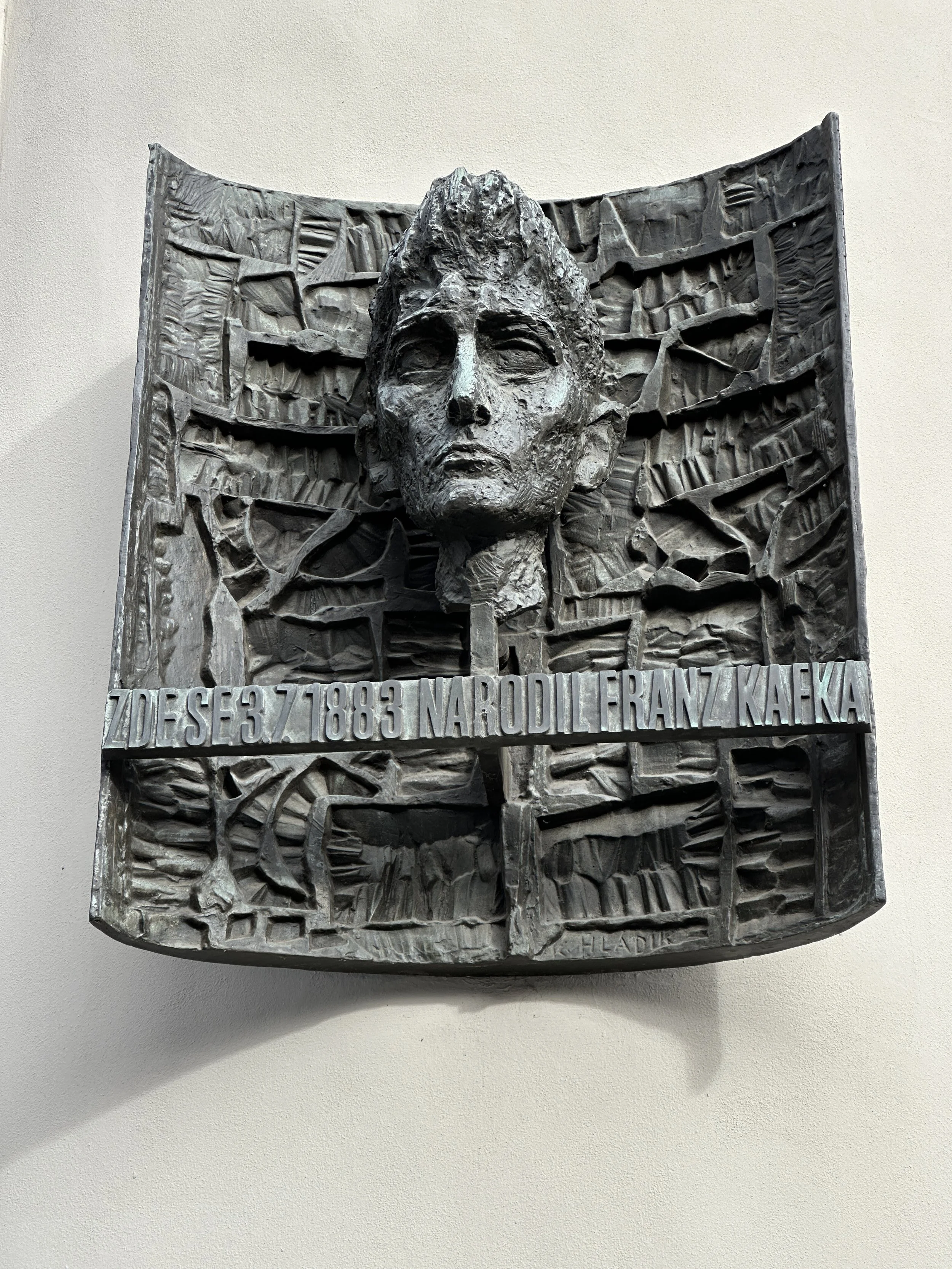
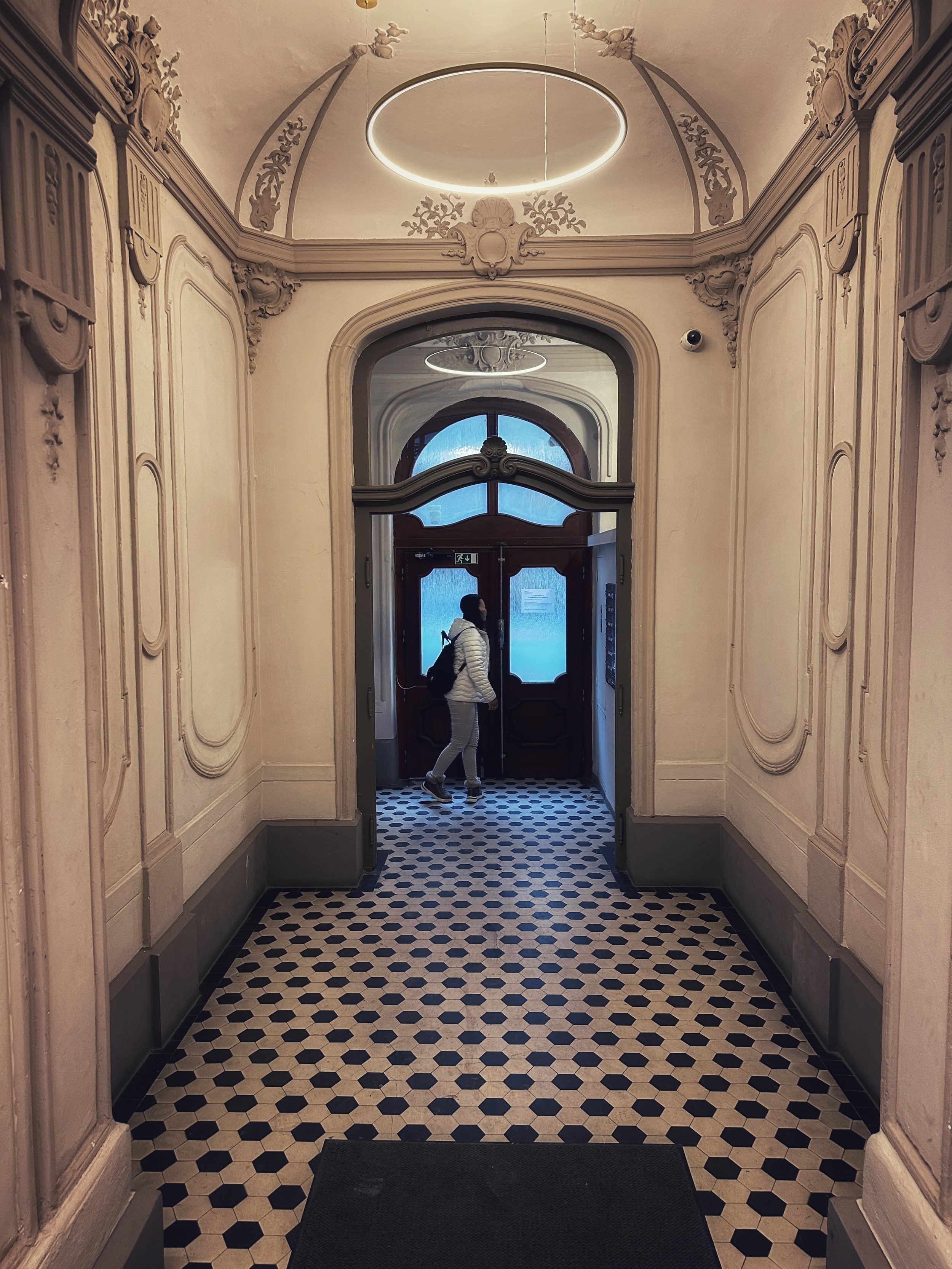
I came to Prague looking for traces of Milena.
I had imagined that her name might somehow help me find my way through the city, that certain streets or places would bring me closer to the woman I had encountered in Kafka’s letters.
It did not happen that way.
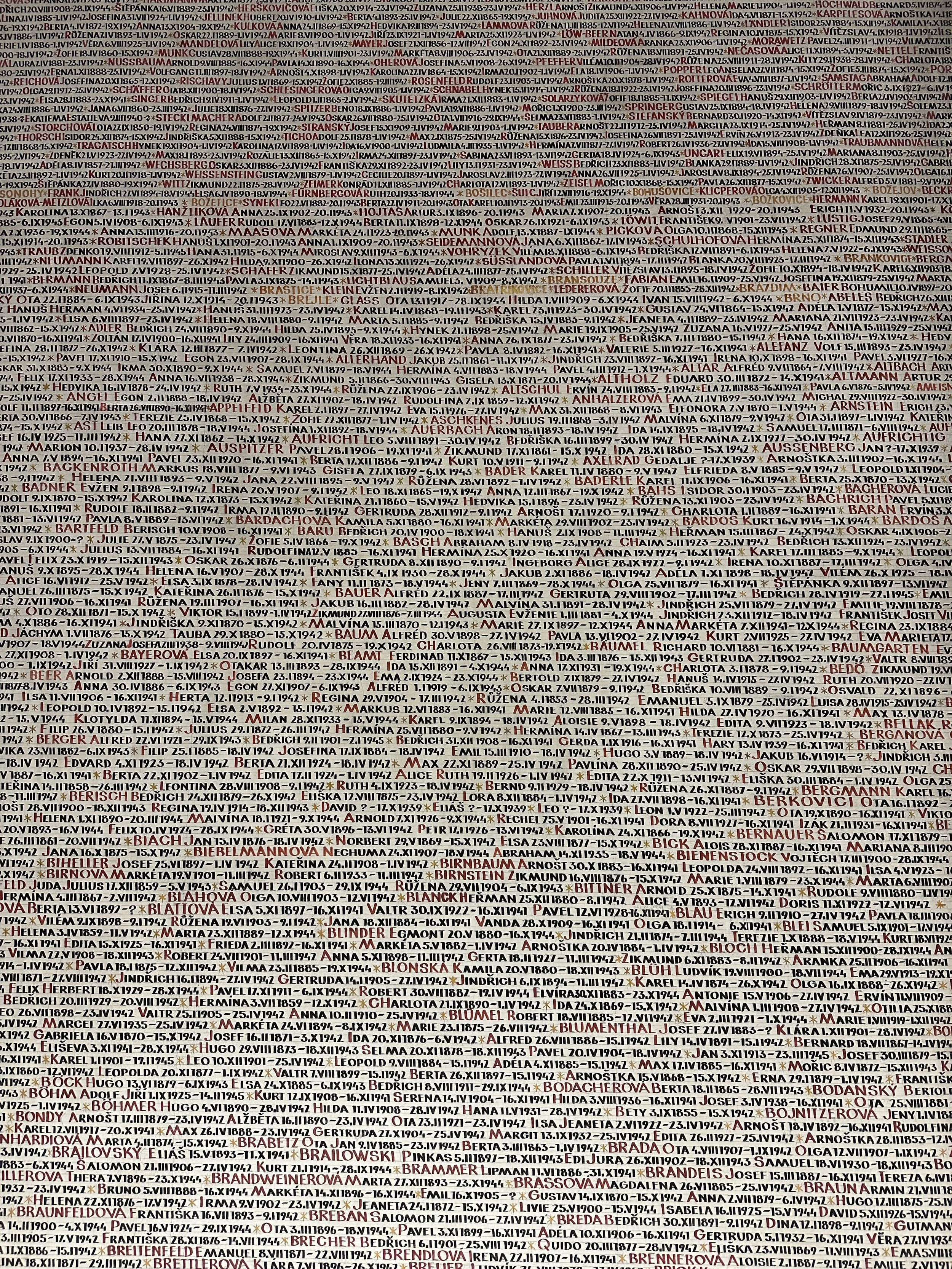
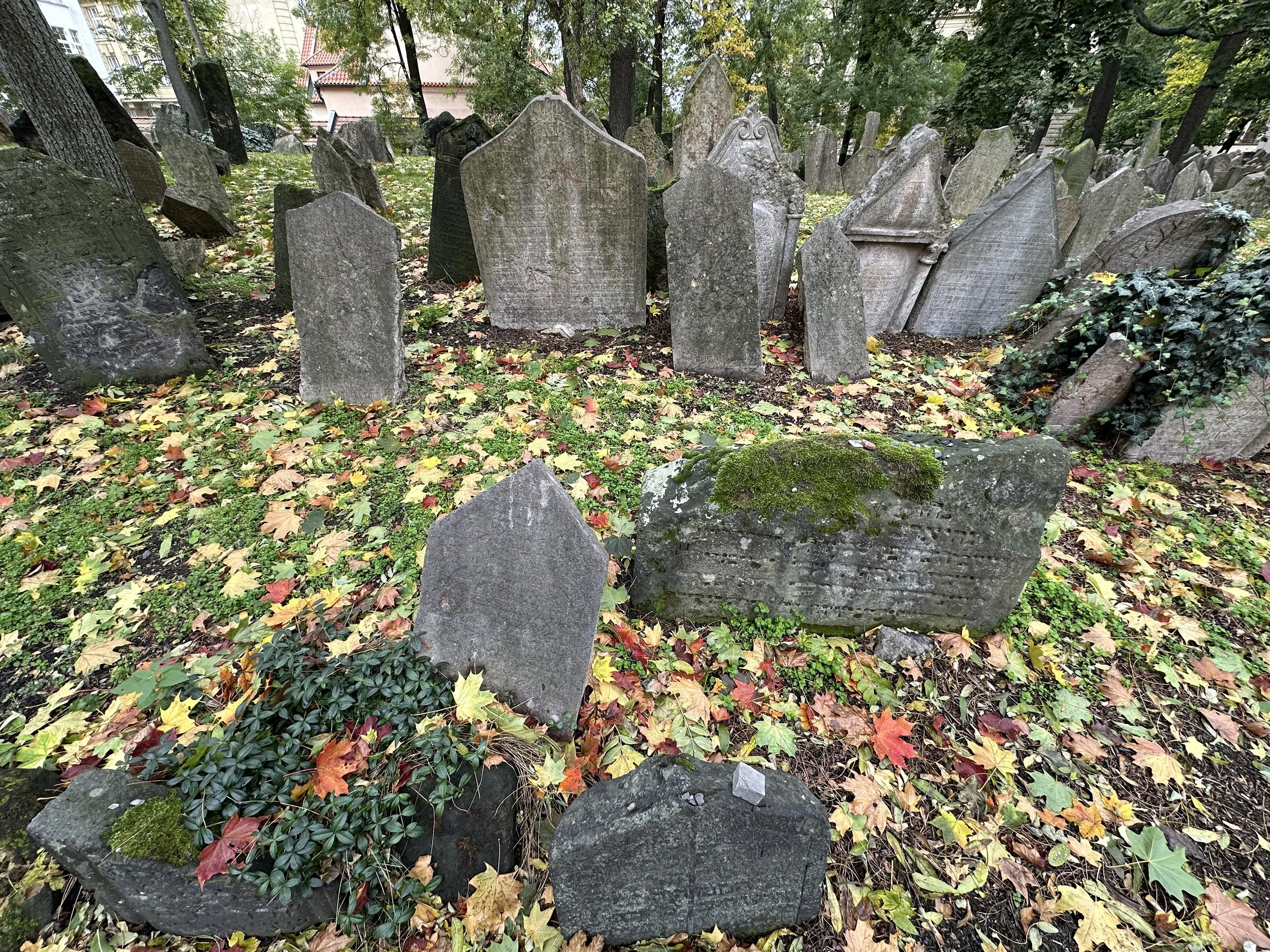
The city gave me very little to hold on to. It seemed to carry several histories at once: the Habsburg city Kafka knew, the Czechoslovakia in which Milena worked as a journalist, the years of Nazi occupation and the decades of communist rule that followed.
The more I walked, the harder it became to separate what I was seeing from the people and events I had read about before arriving.
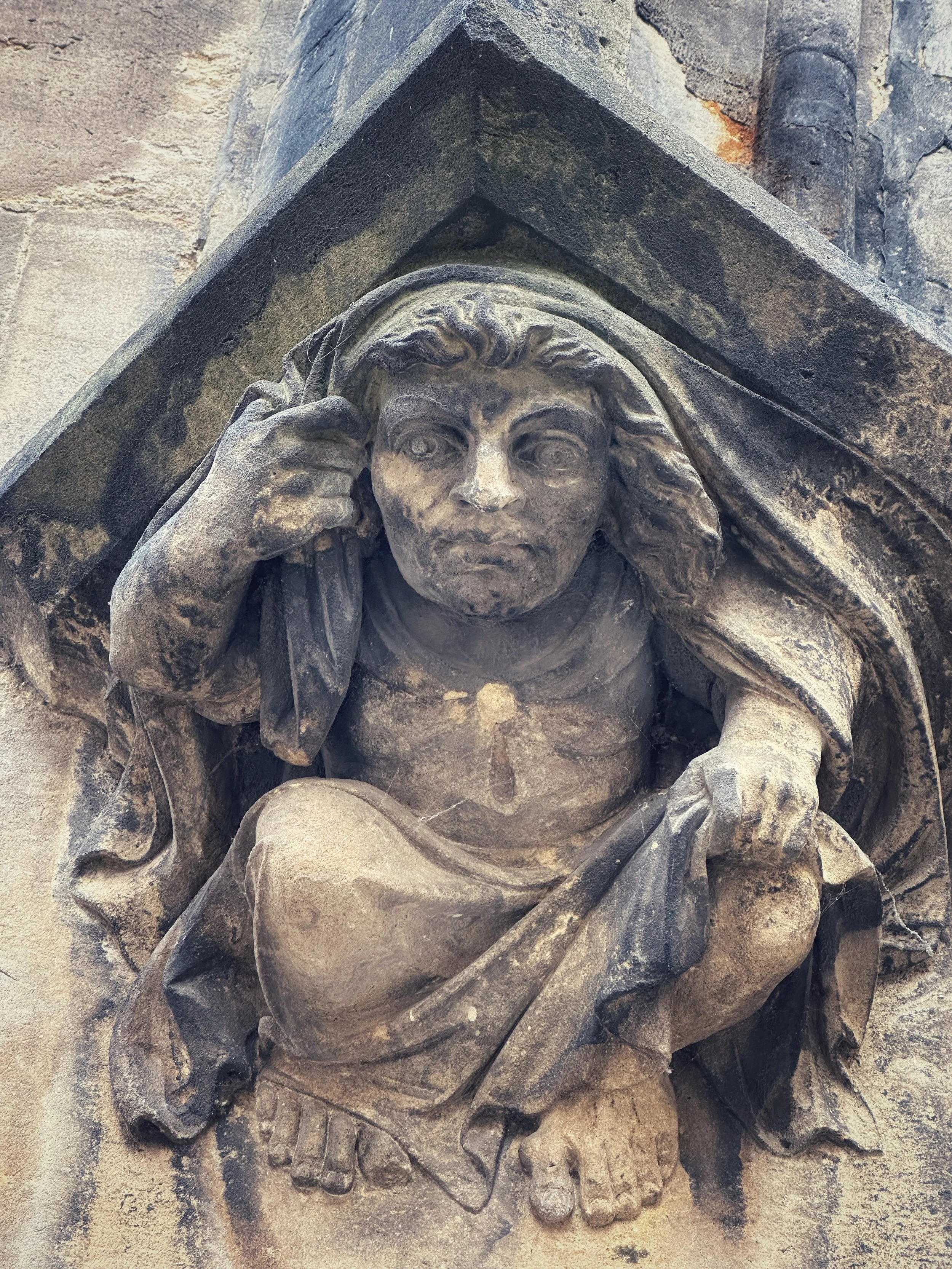
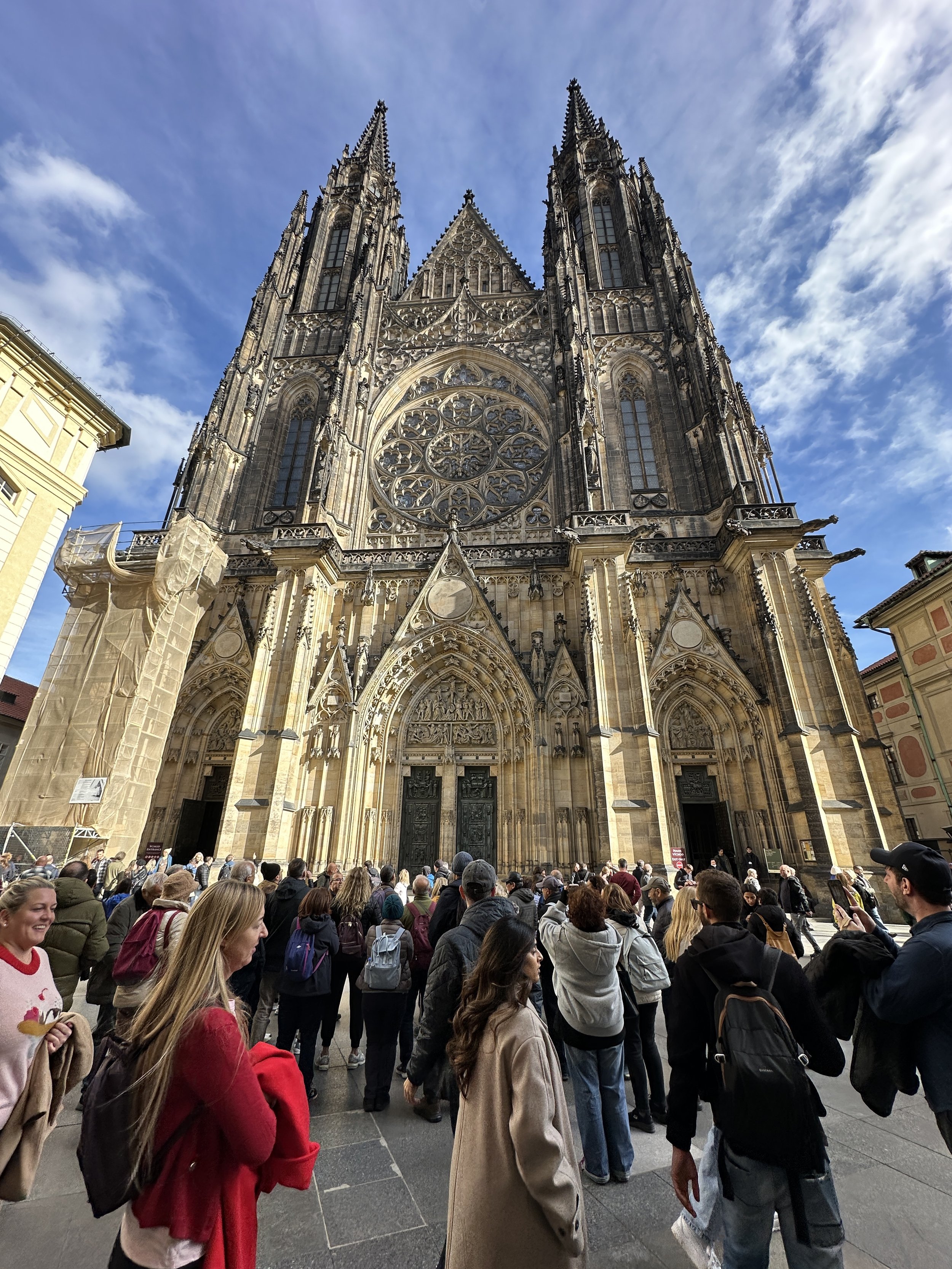
I moved without much direction, stopping whenever something caught my attention.
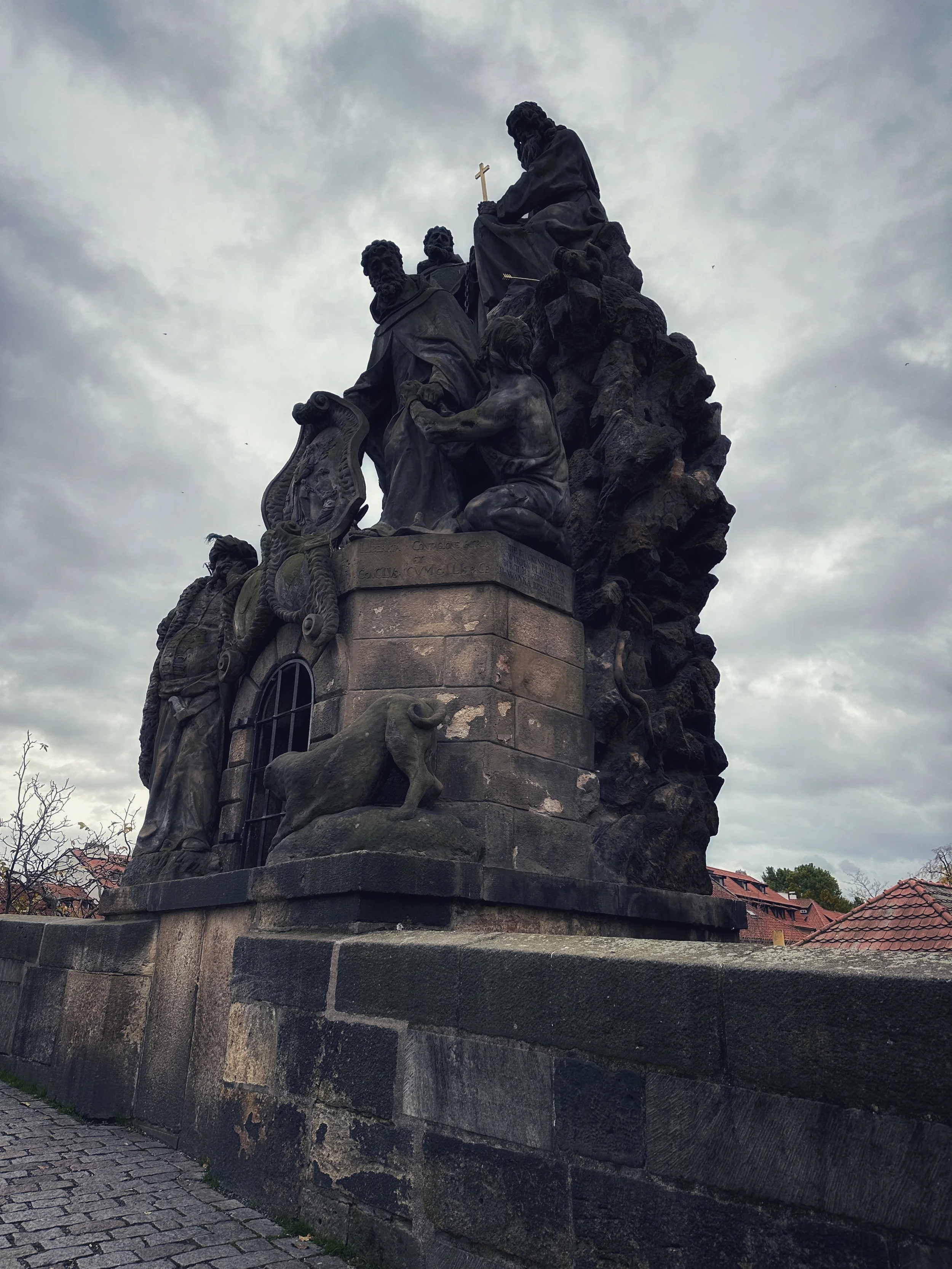
Statues appeared everywhere, on buildings, bridges and squares.
I began to notice how often the past was still present in the city’s public spaces.
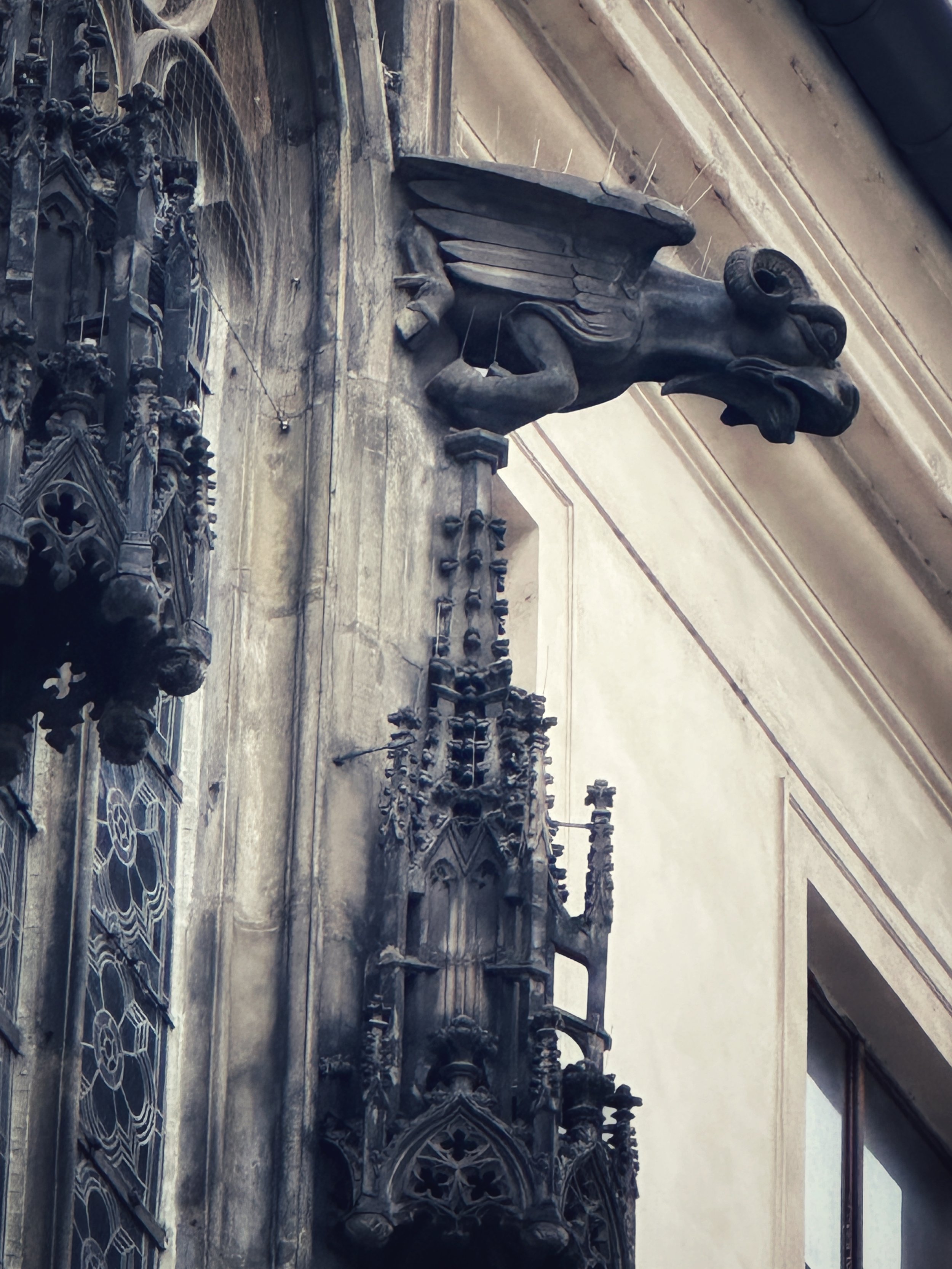
In places connected with Kafka and Milena, names and addresses I had encountered in books suddenly became real streets and buildings.
For a while, I mistook that recognition for understanding.
Knowing where something had happened made me feel closer to their world, but it did not necessarily tell me more about the people who had lived there.
And still, I kept walking.
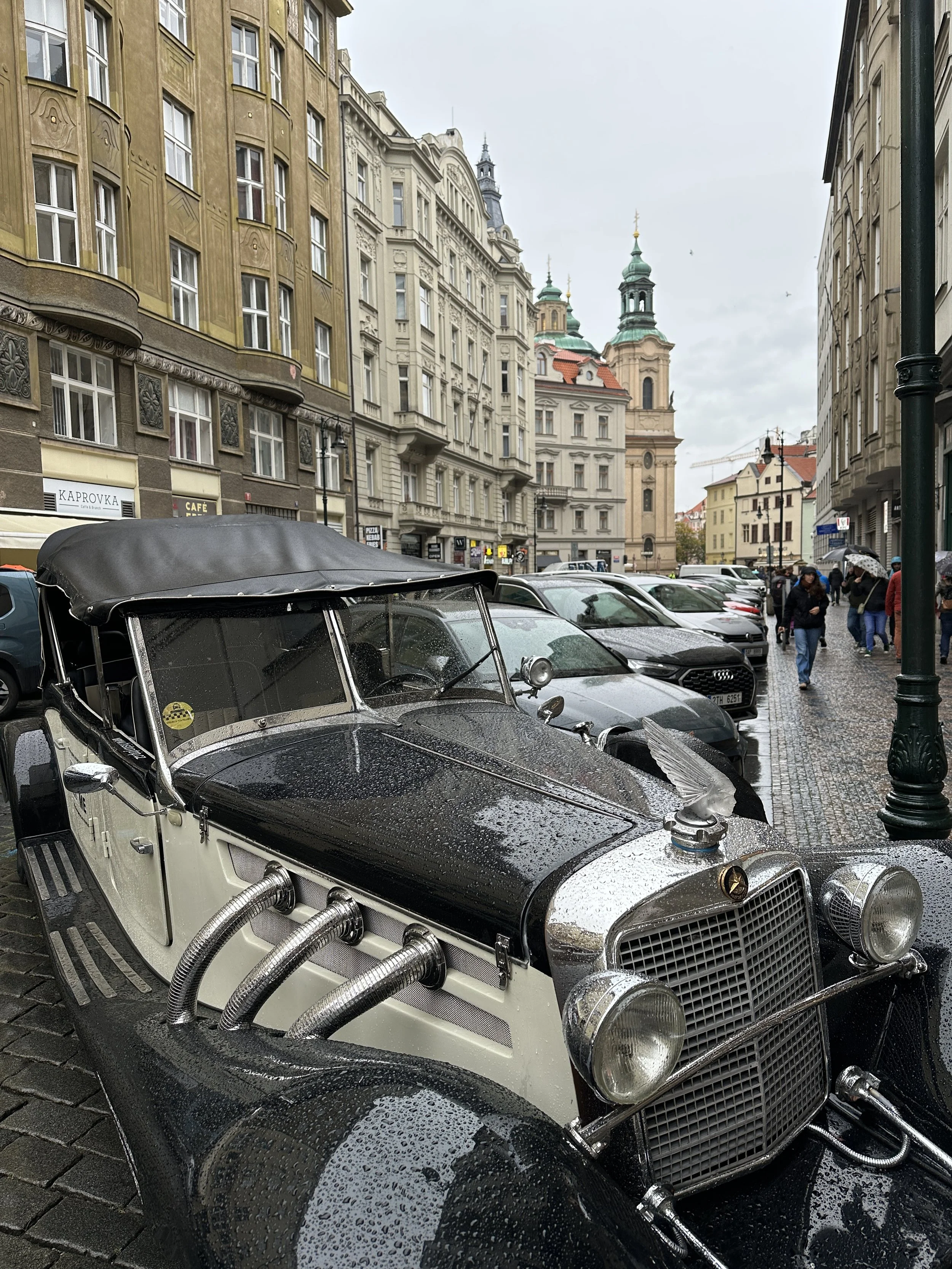
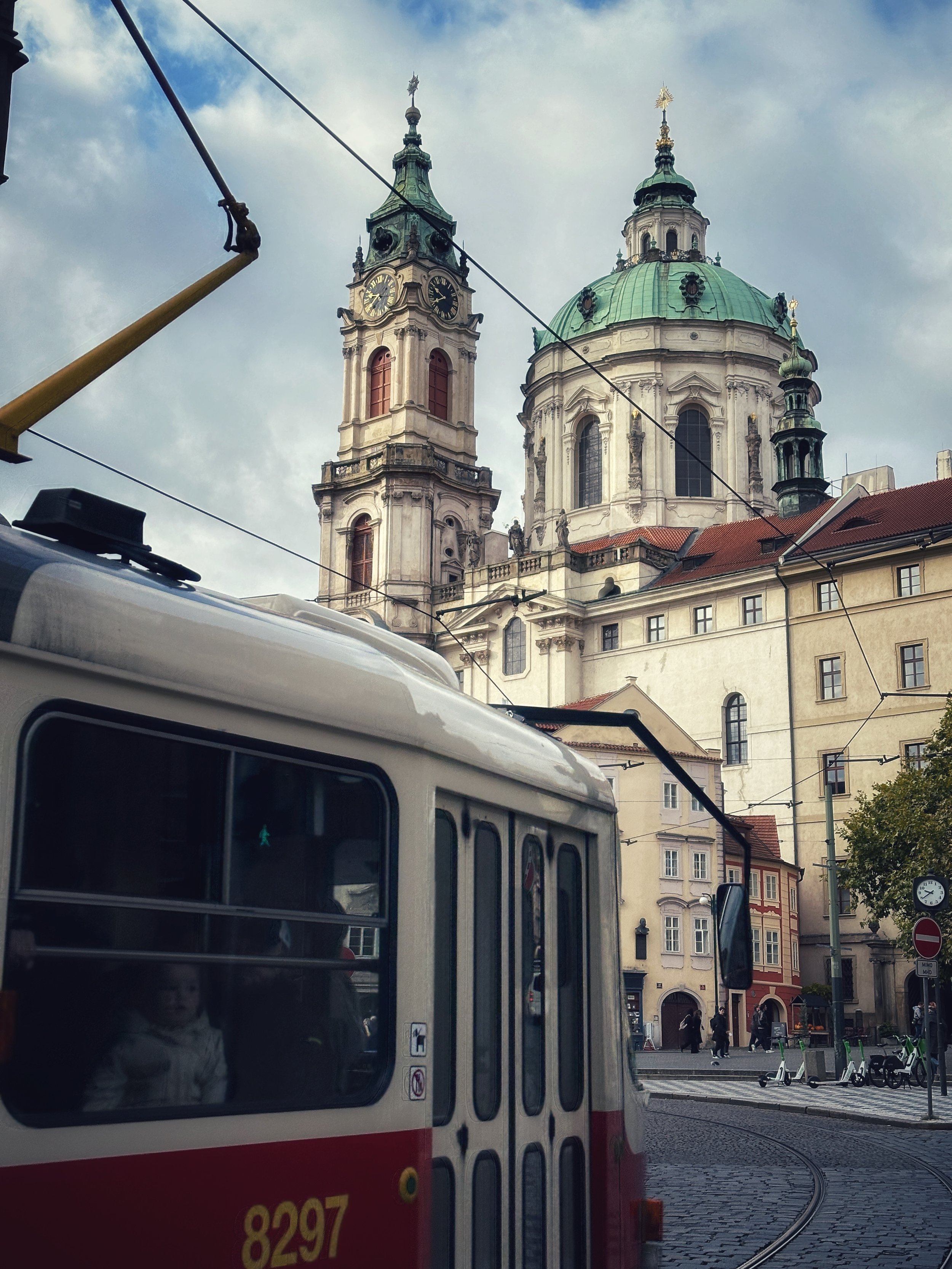
In the rain, the older streets seemed to change. A car from another decade passed, followed a few minutes later by a tram.
Those small moments made it easy to forget, briefly, exactly when I was looking at Prague.
The past did not seem separate from the present; both were simply there, occupying the same streets.
I lost her there. Completely.
Or perhaps I stopped expecting Prague to lead me to her.
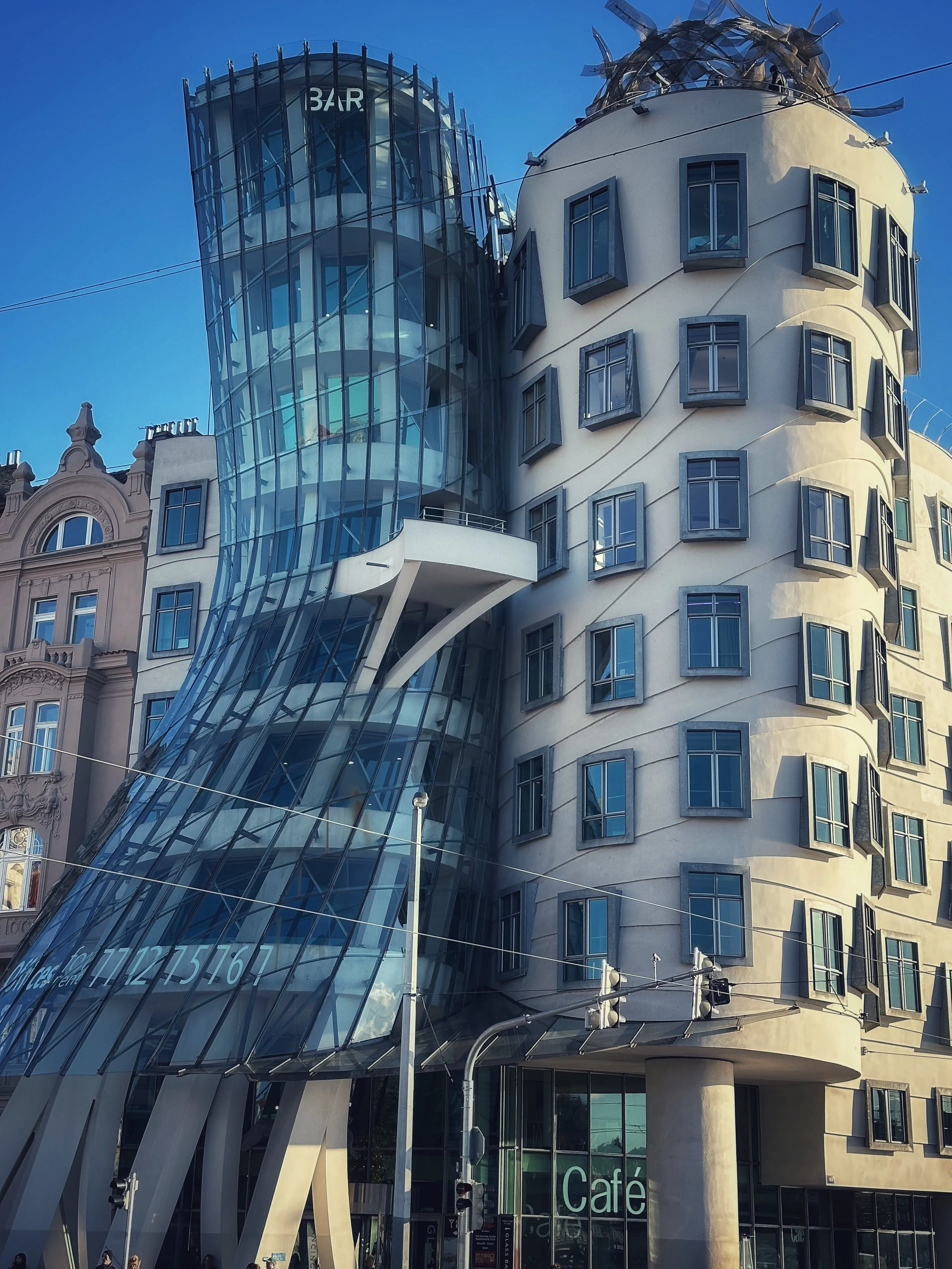
Modern buildings stood beside much older ones, and the places connected with Kafka and Milena had become part of a city that continued changing long after them.
Only then did I begin to wonder why I had needed to find Milena there at all.
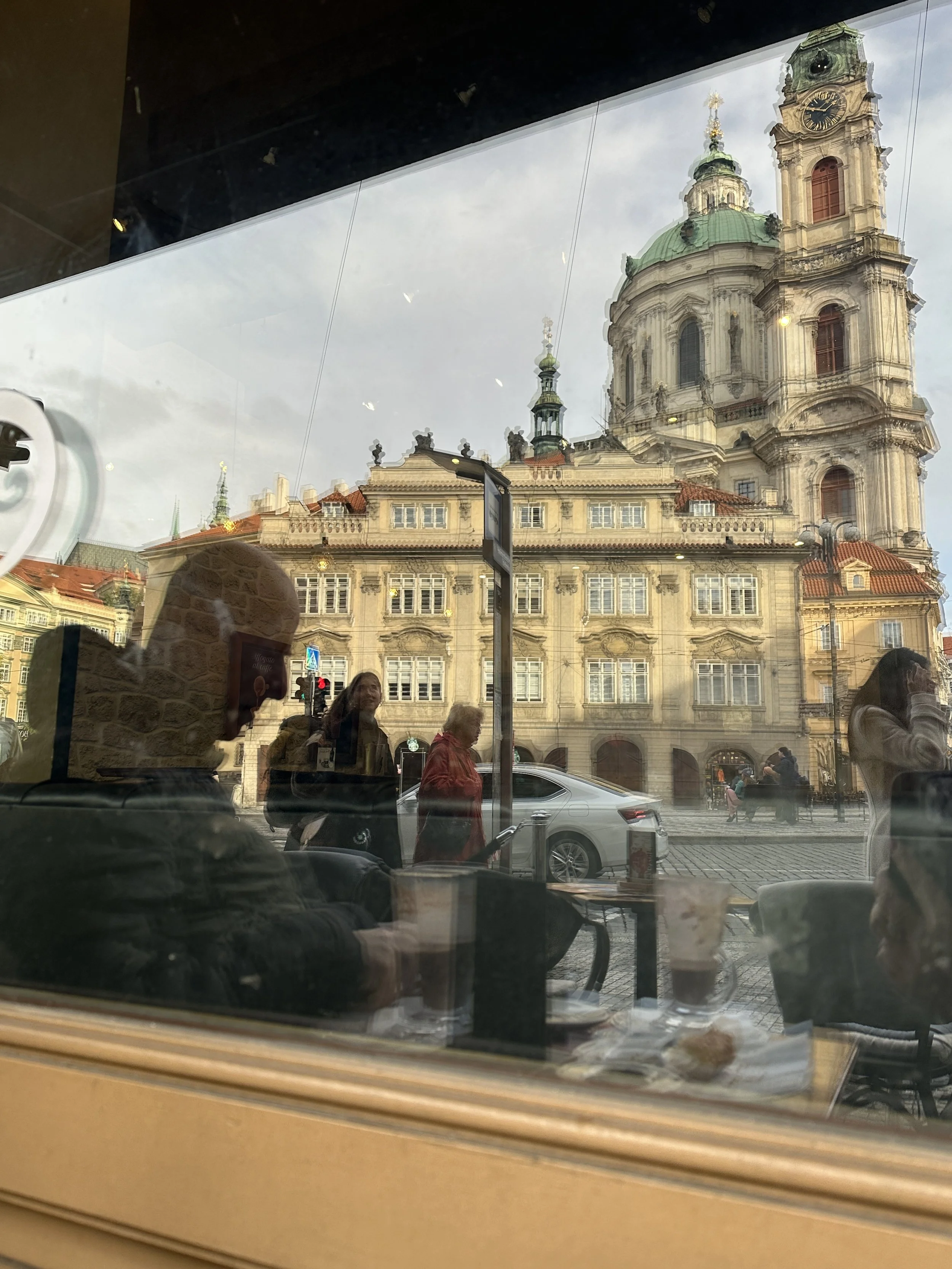
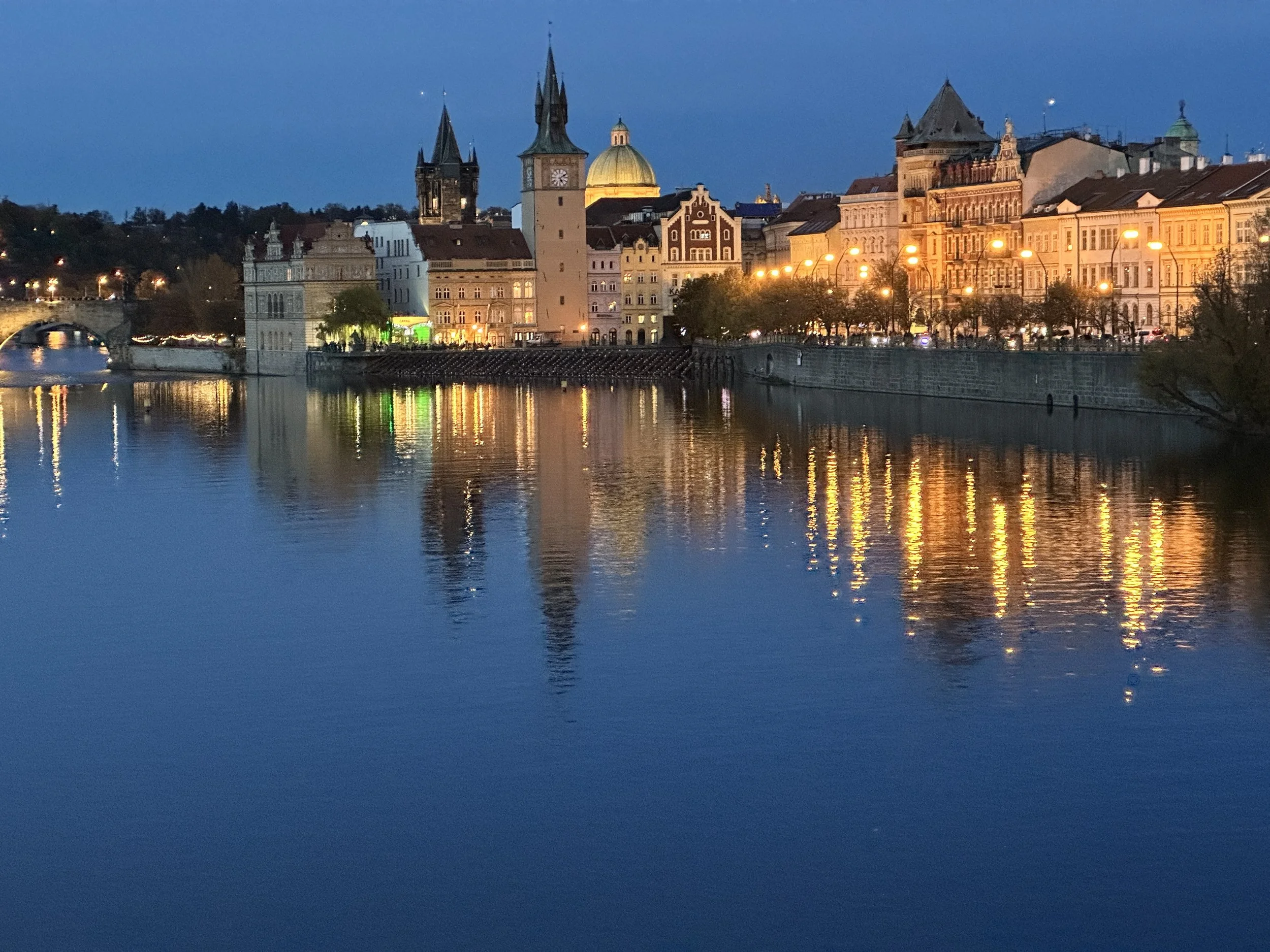
I sat for a while and watched the reflections on the glass and the river beyond.
Perhaps finding her had never depended on a particular street, house or address.
And yet, for the first time, I felt that I understood something of what I had been looking for.
I found you at last, Milena.